Buy konzertfinder.eu ?
We are moving the project
konzertfinder.eu .
Are you interested in purchasing the domain
konzertfinder.eu ?
domain@kv-gmbh.de · 0541-91531010
Buy konzertfinder.eu ?
Why is Rutherford's scattering experiment called a scattering experiment at all?
Rutherford's experiment is called a scattering experiment because it involved firing alpha particles at a thin gold foil and observing how they scattered after hitting the foil. The term "scattering" refers to the process of particles being deflected from their original path as a result of collisions with the atoms in the foil. By analyzing the pattern of scattering, Rutherford was able to deduce the structure of the atom and propose the existence of a dense, positively charged nucleus at its center. This experiment was crucial in advancing our understanding of atomic structure and the behavior of subatomic particles. **
What was Rutherford's scattering experiment?
Rutherford's scattering experiment involved firing alpha particles at a thin gold foil and observing their deflection. The experiment aimed to study the structure of the atom and determine how the positive charge is distributed within it. The unexpected results of the experiment led Rutherford to propose the nuclear model of the atom, where he suggested that atoms have a small, dense, positively charged nucleus at their center. This experiment was crucial in advancing our understanding of atomic structure. **


Similar search terms for Scattering
Top-Angebote
Products related to Scattering:
-
LA Brands LTD Murder Mystery Card Game - Event Tickets - 2 Hours of PlayStep into the role of detective in a gripping murder mystery set in Redmond, UK. Chloe Whittle, a millionaire lottery winner, has been found dead from a fatal stab wound, and it's up to you to uncover the truth. Work through a detailed case file packed with physical evidence, including newspaper reports, crime-scene photographs, receipts, betting slips, police documents, train timetables, CCTV material, telephone and text records, a coroner's report, maps, and witness statements. Every clue could help identify the culprit—or lead you towards a dead end. The investigation also includes access to an online police inbox, adding an interactive element to the case. Examine the evidence, connect the details, and decide which suspects are innocent or guilty. This challenging whodunnit is suited to murder-mystery fans, CSI enthusiasts, and groups looking for an immersive evening activity. Hints and answers are available.15,99 £*Shipping: 3,95 £Secure redirect to the provider
-
Days of Wonder Ticket To Ride: New York - Event Tickets - Board game - 232 mm x 48 mm x 232 mmCompact version of Ticket To Ride: New York. Players claim taxi routes across the city and complete destination tickets. Faster gameplay under 20 minutes. Suitable for adults and children.15,49 £*Shipping: 3,95 £Secure redirect to the provider
-
Tools, Home & Hobby 2 Inch PVC Pipe Reamer And Pipe Fitting Saver For Schedule 40 PVC ABS CPVC 2 Inch PVC Pipe Reamer And Pipe Fitting Saver For Schedule 40 PVC ABS CPVCSave usable fittings, reduce costly replacements, and finish plumbing repairs with confidence. This drillpowered 2 inch pipe reamer removes leftover pipe and hardened solvent cement from Schedule 40 PVC, ABS, and CPVC fittings. Built for plumbers,...94,97 $*Shipping: 0,00 $Secure redirect to the provider




-
What is the Rutherford scattering experiment?
The Rutherford scattering experiment was conducted by physicist Ernest Rutherford in 1909. In this experiment, Rutherford bombarded a thin gold foil with alpha particles and observed their scattering patterns. The unexpected results of the experiment led to the discovery of the atomic nucleus and the development of the nuclear model of the atom. The experiment showed that most of the alpha particles passed through the foil, but some were deflected at large angles, indicating the presence of a small, dense nucleus within the atom. This experiment revolutionized our understanding of the structure of the atom. **
-
What is the Rutherford scattering with copper?
Rutherford scattering with copper refers to the experiment conducted by Ernest Rutherford in which he bombarded a thin gold foil with alpha particles. The experiment led to the discovery that atoms have a small, dense nucleus at their center, which was a groundbreaking finding in the field of nuclear physics. The use of copper in the experiment is not common, as gold was the metal foil typically used due to its malleability and ability to be made very thin. **
-
What causes the photoelectric effect: absorption or scattering?
The photoelectric effect is caused by absorption of photons by electrons in a material, rather than scattering. When a photon with sufficient energy is absorbed by an electron in a material, it can transfer enough energy to the electron to liberate it from the material, causing the photoelectric effect. Scattering, on the other hand, involves the redirection of photons by particles in a material, but it does not result in the ejection of electrons from the material. **
-
What is the difference between reflection and scattering?
Reflection occurs when light bounces off a surface at the same angle it hits it, resulting in a clear image. Scattering, on the other hand, occurs when light is dispersed in different directions by particles or irregularities in a medium, resulting in a diffuse or hazy appearance. In reflection, the light maintains its original intensity and color, while in scattering, the light may lose intensity and change color due to the interaction with the medium. **

Can you repeat the Rutherford scattering experiment in physics?
Yes, the Rutherford scattering experiment can be repeated in physics. The experiment involves firing alpha particles at a thin gold foil and observing their scattering patterns. This experiment can be replicated using modern equipment and techniques to study the behavior of alpha particles and the structure of the atom. By using more advanced detectors and data analysis methods, scientists can continue to explore the fundamental principles of atomic structure and the behavior of subatomic particles. **
Why is the Rutherford experiment called the scattering experiment?
The Rutherford experiment is called the scattering experiment because it involved firing alpha particles at a thin gold foil and observing how they scattered after hitting the foil. This scattering of alpha particles provided crucial evidence for the existence of a small, dense nucleus within the atom, as most of the alpha particles passed through the foil with little deflection, but a small fraction were scattered at large angles. This unexpected scattering pattern led to the development of the nuclear model of the atom and revolutionized our understanding of atomic structure. **
Top-Angebote
Products related to Scattering:
-
Van Ryder Games: Final Girl - Bad Times at Buddyland - Event Tickets - Board GamesFinal Girl: Bad Times at Buddyland is a feature-film box for the Final Girl solo horror board game system. The core Final Girl game is required to play. Enter Buddyland, a run-down arcade where the night's entertainment has taken a deadly turn. Billy Bear and his animatronic Buddies are on the hunt, and surviving the night will require careful planning, quick decisions, and a little luck. Each game can unfold differently due to the variable setup, with Billy possibly joined by one, two, three, or all seven Buddies, creating a changing challenge every time you play. Keep an eye on his power supplies, as Billy can recharge if you fail to shut them down. Buddyland offers several interactive locations to explore, including a pinball machine, claw machine, skee-ball machine, and party room. Use tokens to activate the arcade attractions while working towards your survival objectives.18,47 £*Shipping: 3,95 £Secure redirect to the provider
-
Days of Wonder Ticket to Ride: Northern Lights - Event Tickets - Northern Lights EditionBuild your rail empire across the Nordic countries in Ticket to Ride: Northern Lights, a strategic board game set among the region's ports, forests, mountains, and fjords. Claim railway routes, connect cities, and plan your network carefully as you compete to complete destination tickets and build the most impressive transportation empire. The Nordic landscape introduces routes across distinctive northern settings, including ferry connections and journeys through the countryside. Each decision matters: taking a route may help complete your plans, but can also give other players the opportunity to expand their own networks. Suitable for family and friends' game sessions, this game requires planning ahead and watching your opponents' routes to claim the connections you need before they disappear.37,97 £*Shipping: 3,95 £Secure redirect to the provider
-
LA Brands LTD Murder Mystery Card Game - Event Tickets - 2 Hours of PlayStep into the role of detective in a gripping murder mystery set in Redmond, UK. Chloe Whittle, a millionaire lottery winner, has been found dead from a fatal stab wound, and it's up to you to uncover the truth. Work through a detailed case file packed with physical evidence, including newspaper reports, crime-scene photographs, receipts, betting slips, police documents, train timetables, CCTV material, telephone and text records, a coroner's report, maps, and witness statements. Every clue could help identify the culprit—or lead you towards a dead end. The investigation also includes access to an online police inbox, adding an interactive element to the case. Examine the evidence, connect the details, and decide which suspects are innocent or guilty. This challenging whodunnit is suited to murder-mystery fans, CSI enthusiasts, and groups looking for an immersive evening activity. Hints and answers are available.15,99 £*Shipping: 3,95 £Secure redirect to the provider
-
Days of Wonder Ticket To Ride: New York - Event Tickets - Board game - 232 mm x 48 mm x 232 mmCompact version of Ticket To Ride: New York. Players claim taxi routes across the city and complete destination tickets. Faster gameplay under 20 minutes. Suitable for adults and children.15,49 £*Shipping: 3,95 £Secure redirect to the provider
-
Why is Rutherford's scattering experiment called a scattering experiment at all?
Rutherford's experiment is called a scattering experiment because it involved firing alpha particles at a thin gold foil and observing how they scattered after hitting the foil. The term "scattering" refers to the process of particles being deflected from their original path as a result of collisions with the atoms in the foil. By analyzing the pattern of scattering, Rutherford was able to deduce the structure of the atom and propose the existence of a dense, positively charged nucleus at its center. This experiment was crucial in advancing our understanding of atomic structure and the behavior of subatomic particles. **
-
What was Rutherford's scattering experiment?
Rutherford's scattering experiment involved firing alpha particles at a thin gold foil and observing their deflection. The experiment aimed to study the structure of the atom and determine how the positive charge is distributed within it. The unexpected results of the experiment led Rutherford to propose the nuclear model of the atom, where he suggested that atoms have a small, dense, positively charged nucleus at their center. This experiment was crucial in advancing our understanding of atomic structure. **
-
What is the Rutherford scattering experiment?
The Rutherford scattering experiment was conducted by physicist Ernest Rutherford in 1909. In this experiment, Rutherford bombarded a thin gold foil with alpha particles and observed their scattering patterns. The unexpected results of the experiment led to the discovery of the atomic nucleus and the development of the nuclear model of the atom. The experiment showed that most of the alpha particles passed through the foil, but some were deflected at large angles, indicating the presence of a small, dense nucleus within the atom. This experiment revolutionized our understanding of the structure of the atom. **
-
What is the Rutherford scattering with copper?
Rutherford scattering with copper refers to the experiment conducted by Ernest Rutherford in which he bombarded a thin gold foil with alpha particles. The experiment led to the discovery that atoms have a small, dense nucleus at their center, which was a groundbreaking finding in the field of nuclear physics. The use of copper in the experiment is not common, as gold was the metal foil typically used due to its malleability and ability to be made very thin. **
Similar search terms for Scattering
-
Tools, Home & Hobby 2 Inch PVC Pipe Reamer And Pipe Fitting Saver For Schedule 40 PVC ABS CPVC 2 Inch PVC Pipe Reamer And Pipe Fitting Saver For Schedule 40 PVC ABS CPVCSave usable fittings, reduce costly replacements, and finish plumbing repairs with confidence. This drillpowered 2 inch pipe reamer removes leftover pipe and hardened solvent cement from Schedule 40 PVC, ABS, and CPVC fittings. Built for plumbers,...94,97 $*Shipping: 0,00 $Secure redirect to the provider
-
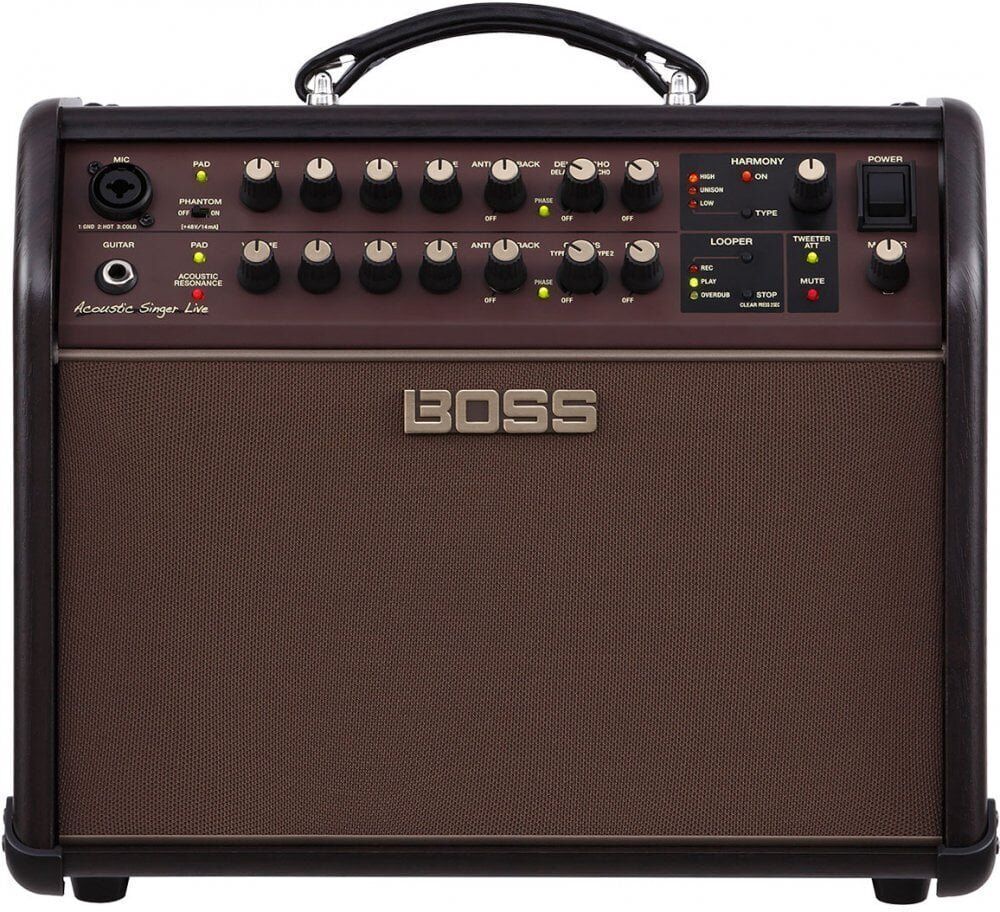
Boss ACS-LIVE Acoustic Singer Live 60W Acoustic Amplifier Original - RefurbishedDer Boss ACS-LIVE Acoustic Singer Live bringt die akustische Bühne auf neue Ebenen der Klangqualität und kreativen Vielseitigkeit. Die Acoustic Singer Live bringt die akustische Bühne auf neue Ebenen der Klangqualität und kreativen Vielseitigkeit. Mit den neuesten Fortschritten von BOSS in der Verstärkerforschung erzeugt dieses kompakte Kraftpaket einen reichen, lebendigen Klang mit unübertroffenem Stempel und Klarheit. Unabhängige Kanäle sind für akustische Gitarre und Gesang vorgesehen und sind jeweils mit diskreten analogen Eingangsschaltungen und Dreiband-EQ für Sound in Studioqualität ausgestattet. Und mit zusätzlichen Funktionen wie Acoustic Resonance, Looping, automatischen Stimmharmonien, Effekten und vielem mehr bietet der Acoustic Singer Live akustischen Musikern alles, was sie brauchen, um inspirierende und wirkungsvolle Live-Auftritte zu liefern. Merkmale • Professioneller akustischer Verstärker mit Premium-Sound und Features • 60-Watt-Bi-Ampere-Design mit maßgeschneidertem 6,5-Zoll-Woofer und Dome-Hochtöner • Dual-Kanäle mit diskreter analoger Eingangselektronik und Dreiband-EQ • Dedizierter Gitarrenkanal mit akustischer Resonanz zur Wiederherstellung des natürlichen Tons für Bühnengitarren mit Piezo-Pickups • Mic-Kanal mit Phantom-Power und 1⁄4-Zoll / XLR-Combo-Eingang zum Anschluss eines Vokal- / Gitarrenmikrofons oder einer zweiten Instrumentenquelle • Chorus-Effekt auf dem Gitarrenkanal, Delay/Echo-Effekt auf dem Mikrofonkanal und unabhängiges Reverb auf beiden Kanälen • Harmony-Funktion erzeugt automatisch glatte und genaue Stimmharmonien durch Echtzeit-Tasten- / Akkordanalyse der Gitarreninp567,00 £*Shipping: 0,00 £Secure redirect to the provider
-
Drop Dash Deals Heavy Duty MT Live Center With Triple Bearing Precision Morse Taper Live Center Heavy Duty MT Live Center With Triple Bearing Precision Morse Taper Live CenterFeel the difference when your machine works as smoothly as you imagined. The 1 pc of MT3 live center is a precision tool designed for metalworkers and machinists who demand reliability and accuracy from their lathe setups. Built from tough alloy...149,97 $*Shipping: 0,00 $Secure redirect to the provider
-
What causes the photoelectric effect: absorption or scattering?
The photoelectric effect is caused by absorption of photons by electrons in a material, rather than scattering. When a photon with sufficient energy is absorbed by an electron in a material, it can transfer enough energy to the electron to liberate it from the material, causing the photoelectric effect. Scattering, on the other hand, involves the redirection of photons by particles in a material, but it does not result in the ejection of electrons from the material. **
-
What is the difference between reflection and scattering?
Reflection occurs when light bounces off a surface at the same angle it hits it, resulting in a clear image. Scattering, on the other hand, occurs when light is dispersed in different directions by particles or irregularities in a medium, resulting in a diffuse or hazy appearance. In reflection, the light maintains its original intensity and color, while in scattering, the light may lose intensity and change color due to the interaction with the medium. **
-
Can you repeat the Rutherford scattering experiment in physics?
Yes, the Rutherford scattering experiment can be repeated in physics. The experiment involves firing alpha particles at a thin gold foil and observing their scattering patterns. This experiment can be replicated using modern equipment and techniques to study the behavior of alpha particles and the structure of the atom. By using more advanced detectors and data analysis methods, scientists can continue to explore the fundamental principles of atomic structure and the behavior of subatomic particles. **
-
Why is the Rutherford experiment called the scattering experiment?
The Rutherford experiment is called the scattering experiment because it involved firing alpha particles at a thin gold foil and observing how they scattered after hitting the foil. This scattering of alpha particles provided crucial evidence for the existence of a small, dense nucleus within the atom, as most of the alpha particles passed through the foil with little deflection, but a small fraction were scattered at large angles. This unexpected scattering pattern led to the development of the nuclear model of the atom and revolutionized our understanding of atomic structure. **
* All prices are inclusive of VAT and, if applicable, plus shipping costs. The offer information is based on the details provided by the respective shop and is updated through automated processes. Real-time updates do not occur, so deviations can occur in individual cases. ** Note: Parts of this content were created by AI.